
Experiential Learning at CELL
Beyond the casebook, the Center on Environment, Land, and Law, offers immersive opportunities to apply and engage with the law where it happens. From our specialized policy and research labs to intensive field courses and externships, students gain hands-on experience navigating the complex regulatory, social, and environmental landscapes of the Gulf South and beyond.
Loyola University New Orleans College of Law is well known for its longstanding commitment to building practice-ready lawyers. Environmental Law & Policy Lab students engage in policy development, legislative drafting, and advocacy for local individuals and community groups.
This course will introduce students to advanced legal research for use in policy advocacy. Students will learn to identify a primary need, challenge, or opportunity in real-world situations with community partners, from which to develop a research plan. Community leaders and advocates often struggle to identify the legal and regulatory barriers related to their goals. Students will learn how to identify the legal and regulatory components of the identified topic, conduct research, and help design an advocacy strategy and theory of change.
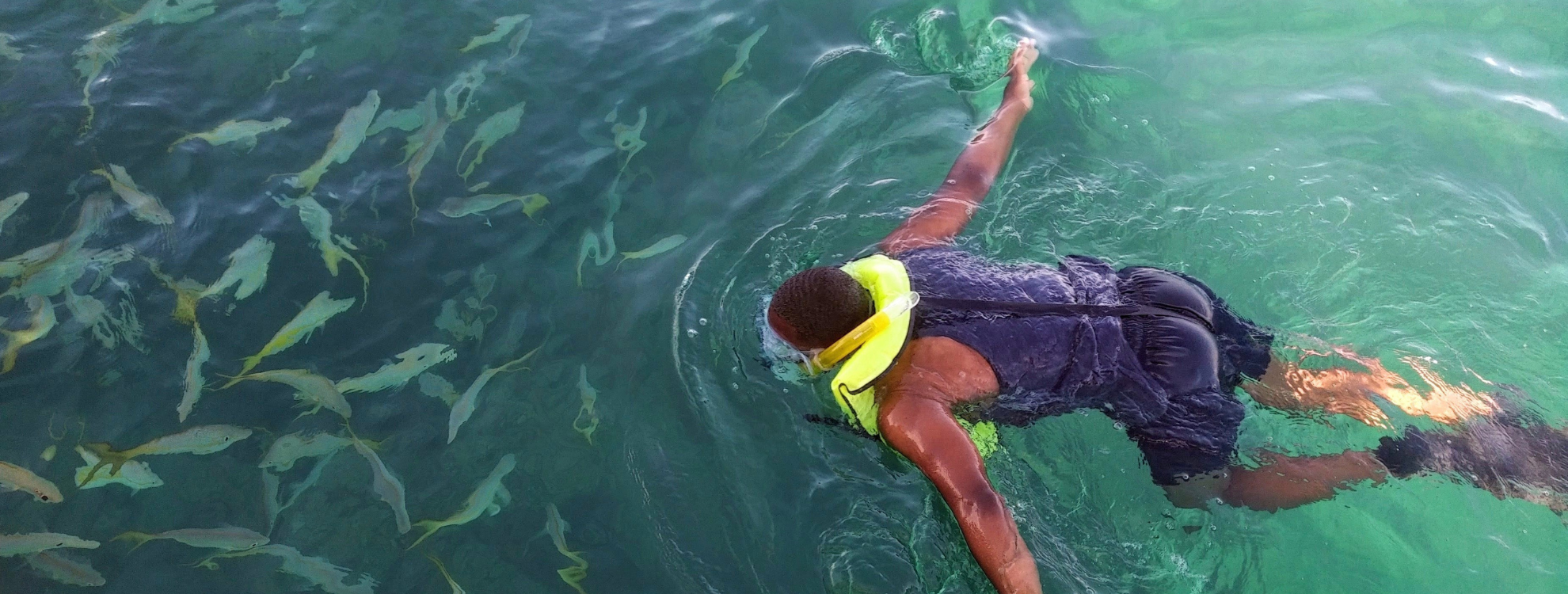
This intensive two-week course provides an overview of the environmental laws, policies, and decision-making processes specifically related to coastal and marine resources in the United States, using the Florida Keys ecosystem as a micro study. It teaches strategic thinking and advocacy, integrating doctrine, theory, skills, and legal ethics, in performing professional skills. This course is primarily experiential in nature; there will be a daily experiential learning component. Students will learn and practice skills relative to environmental policy: obtaining key documents, grassroots and grasstops organizing, using media as an advocacy tool and persuasive writing. The course also offers opportunities to see laws and policies in practice in this unique environment.
J.D./LL.M. Externship
The Externship Program is an experiential course in which students earn one, two, or three academic credits for legal work performed at a court, government agency, or non-profit legal organization under the supervision of an attorney. Students enrolled in the externship course complete the externship seminar course concurrently with the externship placement. Over the course of the semester, students produce written work products for their field placement, submit regular journal entries for the seminar, and assess themselves on the individualized learning goals they develop in the seminar course. Students are selected for participation in the program through an application process and must receive an offer from a qualifying placement prior to enrollment. Click here to find out more.
M.A. Externship
The Master Externship Program is an academic course in which students earn three credits for work related to their area of study performed under the supervision of a professional working in their field of interest at a non-profit organization or government agency. Students are able to choose from pre-selected entities or can identify their own opportunities with approval. Master externs collaborate with their host organization to identify and develop at least one project that will allow them to expand and apply what they learn in classes, as well as benefit the host organization.
Independent Internship
This program gives law students the opportunity to design a semester-long internship in collaboration with a faculty member, practicing attorney, or other legal-adjacent professional. Students work independently under supervision, gaining hands-on experience in research, advocacy, or project development while earning academic credit. The program allows for flexibility to pursue individualized interests, build professional networks, and apply classroom learning to real-world legal and policy challenges.